How to Fix a Door That Won’t Close Properly: Step-by-Step Guide for Homeowners (2026)
A door that won’t close properly is a common issue in many U.S. homes. It may stick, misalign with the frame, or fail to latch. This problem is usually caused by minor structural shifts, loose hardware, or wear over time. The good news is that most door alignment issues can be fixed with simple tools and a clear process.
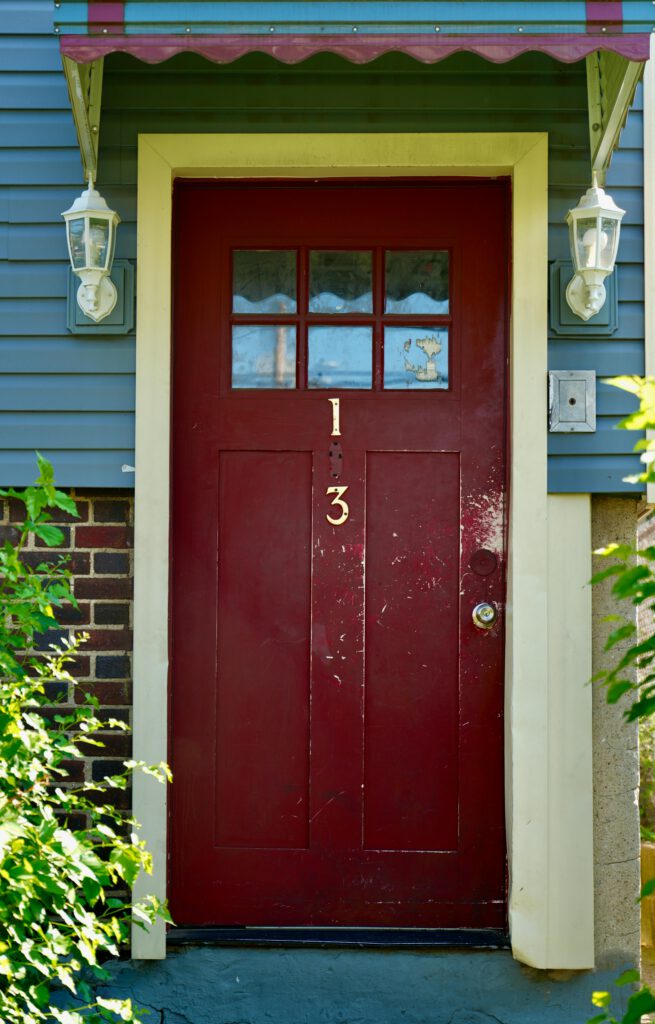
This guide explains how to diagnose the problem and apply the correct fix step by step.
Common Reasons a Door Won’t Close
- Loose or sagging hinges
- Door rubbing against the frame
- Misaligned latch and strike plate
- Swelling due to humidity
- House settling over time
Tools You May Need
- Screwdriver
- Drill (optional)
- Wood shims
- Sandpaper or sanding block
- Chisel (for strike plate adjustment)
- Pencil for marking
Step 1: Check the Hinges
Open the door and inspect the hinges. If screws are loose, tighten them with a screwdriver. Loose hinges are one of the most common causes of door misalignment.
If screws no longer hold:
- Remove the screw
- Insert a wooden toothpick or small wood filler into the hole
- Reinsert the screw for a tighter grip
Step 2: Identify Where the Door Sticks
Close the door slowly and observe where it rubs against the frame. Look for paint marks, resistance points, or uneven gaps.
Typical problem areas:
- Top corner (door sagging)
- Side edge near latch
- Bottom edge scraping the floor
Step 3: Adjust the Hinges
If the door is sagging, tighten the top hinge screws. In some cases, replacing one screw with a longer screw (2–3 inches) that goes into the wall stud can pull the door back into alignment.
This is often enough to fix the issue without further work.
Step 4: Fix the Strike Plate Alignment
If the door closes but doesn’t latch, the strike plate is likely misaligned.
To fix this:
- Mark where the latch hits the plate
- Remove the strike plate
- Use a chisel to slightly enlarge or reposition the opening
- Reinstall the plate
Step 5: Sand the Door Edge (If Needed)
If the door is rubbing due to swelling or tight clearance, lightly sand the problem area.
Important:
- Remove small amounts at a time
- Test frequently
- Repaint or seal the sanded area to prevent moisture absorption
Step 6: Check the Door Frame
If none of the above fixes work, the issue may be with the frame itself. Slight shifting over time can cause misalignment.
In this case:
- Inspect for gaps between frame and wall
- Use shims if necessary
- Secure the frame with longer screws
Common Mistakes to Avoid
- Over-tightening screws and stripping holes
- Removing too much material when sanding
- Ignoring hinge alignment before sanding
- Forcing the door closed (can worsen the problem)
When to Call a Professional
Consider professional help if:
- The frame is significantly warped
- The door structure is damaged
- There are foundation or major structural issues
Final Result
After proper adjustment, the door should close smoothly, align evenly with the frame, and latch without force. Taking time to identify the exact cause ensures a clean and lasting fix.